01 / The problem
Context
AI features become harder to operate when requests and failures are difficult to inspect. Helicone provides tools to route, debug, and analyze AI applications.
02 / The experience
A connected product workflow
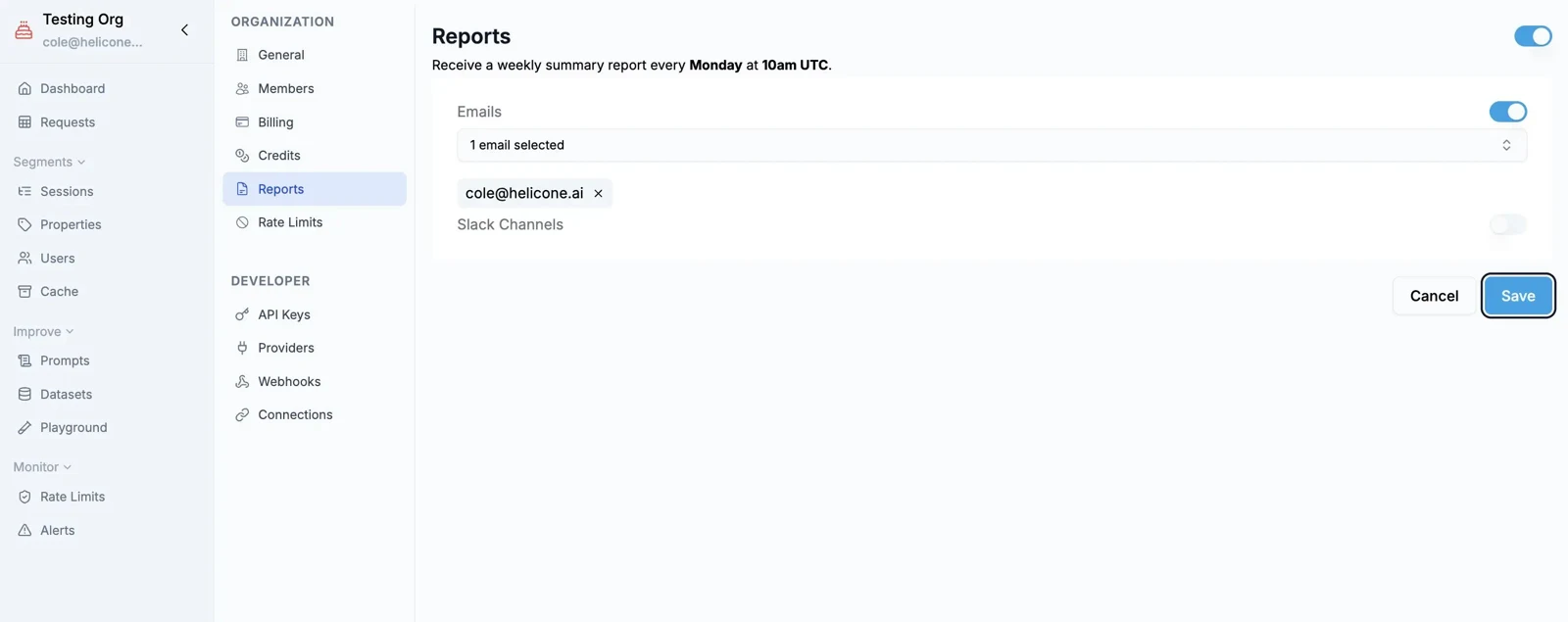
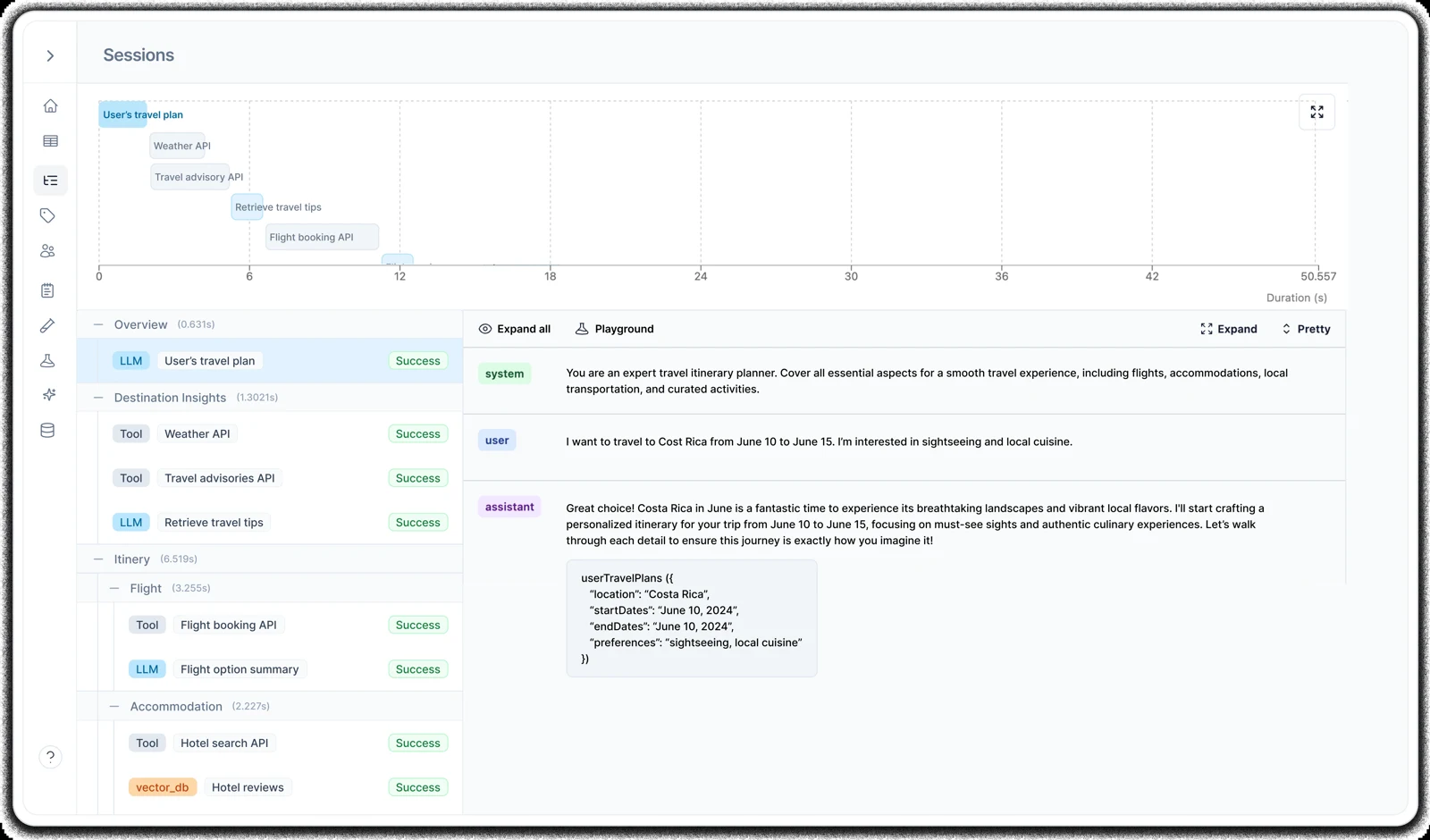
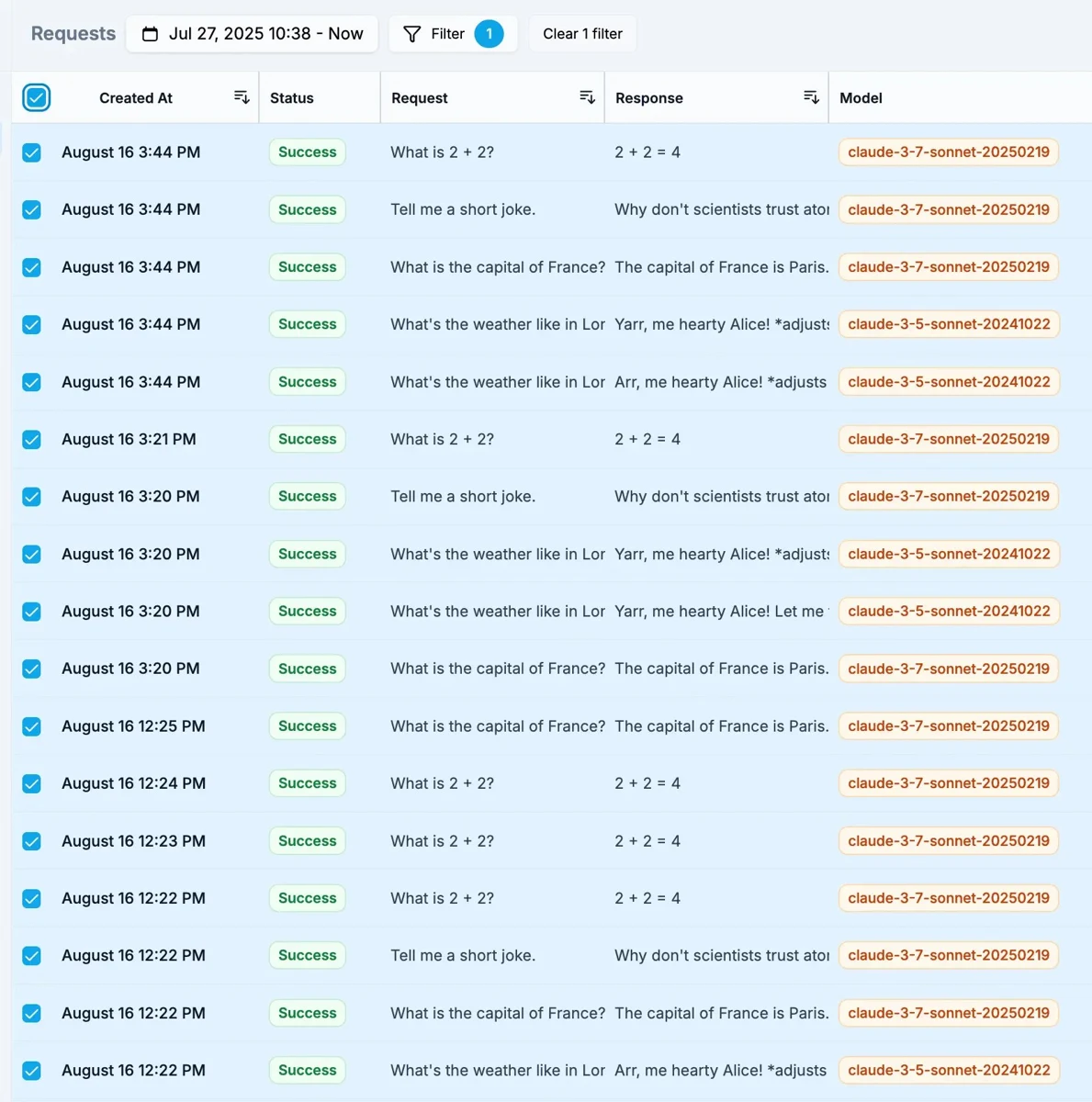
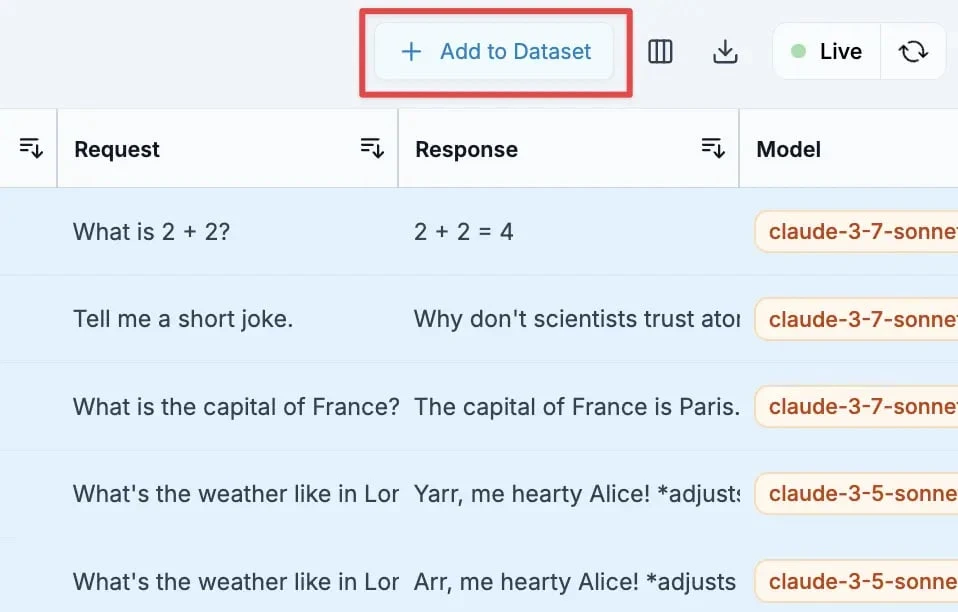
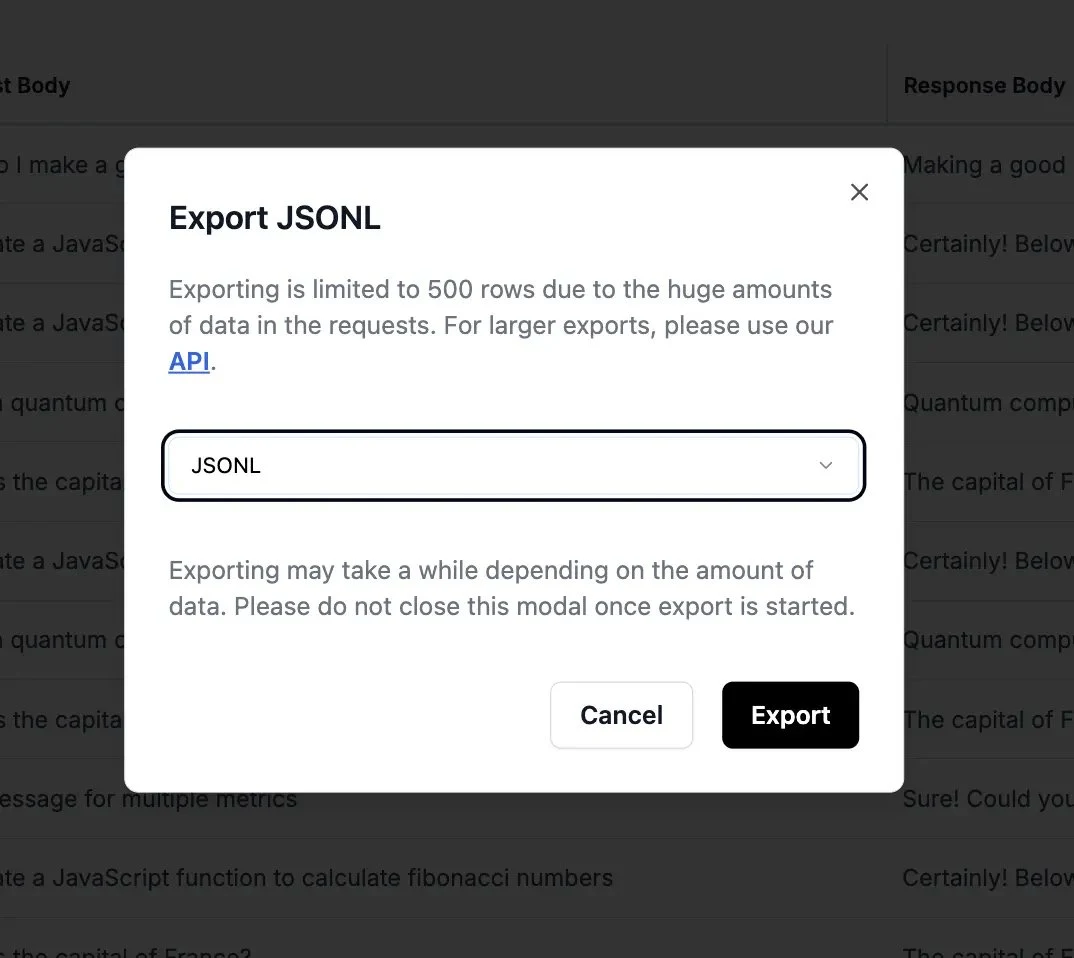
Its public interface groups requests, sessions, users, prompts, and monitoring into an operational workspace. The case illustrates the value of connecting an individual request to a wider interaction.
- 01Application request
- 02Collect trace
- 03Inspect session
- 04Diagnose failure
03 / Technical perspective
Engineering approach
An observability design should capture request identifiers, timing, model selection, and errors while redacting sensitive payloads. Collection must not become a new source of application failures.
This section outlines a proposed approach, rather than the company’s verified internal implementation.
04 / Reliability
Testing priorities
Verify trace correlation, dropped events, redaction, sampling, and provider timeouts. Measure the overhead of collection independently of the latency of a model response.
05 / Source & attribution
Explore the product
This independent study is based on the company’s public website. The gallery contains imagery sourced from the company’s official website and public product resources. Images belong to their respective owners. This study does not claim a personal role in building the product.
Visit Helicone ↗